Choice Hotels

Sponsored Content

Don’t let the stress of planning group travel affect your game! With over 7,000 locations worldwide, Choice Hotels® makes youth sports group travel easy and affordable. Plus, when you book with us, you’ll enjoy access to an online web portal where you can track your reservations, assign payments and more.

How To Keep the Fun Going After the Game

Choice Hotels

July 8, 2022 | 3 minutes, 20 seconds read

Rawpixel.com via Shutterstock

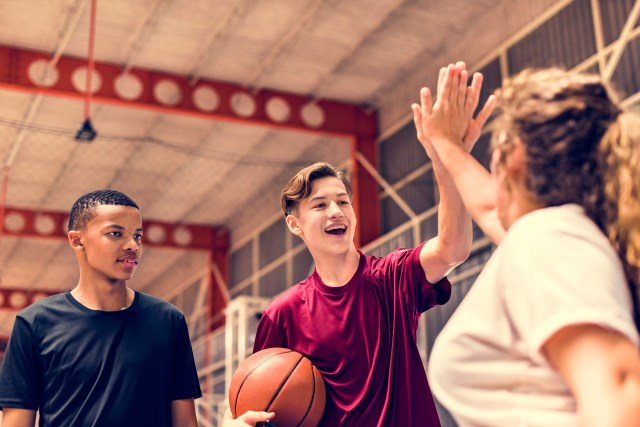
While a game or tournament is the main focus of your trip, that doesn’t mean it has to be the only thing you do when you travel. Take the opportunity to see a new place, teach your kids to be good travelers, and make lasting memories as a family. Everyone will be able to appreciate getting away from the hustle and bustle of the tournament for a while, and kids that aren’t participating in the sport will get the chance to feel special when they weigh in on the activities they’d like to do. Whether your crew is up for any new adventure or wants to take it easy, here are our tips for how to have fun after the game is done.

Foodie Fun

Eating new foods is one of the most exciting parts of traveling. Before you go, do some research and find out what the area is known for. Better yet, assign your kids to research the area and present a brief history and their own ideas for what they want to do and try. Maybe you’re near the ocean, and excellent seafood is on the menu. Or maybe you’ll discover the town was founded by Germans and is known for its schnitzel. If your kids aren’t adventurous eaters, maybe they’ll find where to get the best-grilled cheese in town. You’ll likely learn fun facts about the area and have fun trying something new, local, and (hopefully) delicious.

Non-Budget Breakers

There are many inexpensive ways to explore a new place and have fun doing it. Check out local parks, beaches, hiking trails, discounted or free museums, walking tours, farmers' markets, festivals, or special events going on while you’re in town. You never know when you’ll stumble upon a quirky celebration honoring the town’s favorite vegetable or a local hero. You’ll get a more authentic experience of the destination and save money at the same time. Win-win!

Kick Back

Seeing a new place doesn’t have to be a non-stop, on-the-go experience. Listen to your and your family’s needs. If everyone is tired, skip the walking tour or the hike. Go to a movie, visit a library, relax with snacks in a park, let the kids sit on their screens at dinner, or maybe even trade babysitting duties with other parents so you can enjoy a child-free dinner. Everyone needs some downtime to decompress. Traveling as a family can be wonderful but all the togetherness can be exhausting, so don’t be afraid to sneak in some alone time.

Hotel Room Party

We hear you—you’re exhausted after being out at a tournament all day on top of traveling. When heading back to your hotel and having a relaxing night in is number one on the agenda, you have options besides zoning out and staring at the TV. Playing cards or a board game and bringing out a surprise snack or room service can make a night in feel like a special occasion. Need the kids to burn off more energy? Send them on a scavenger hunt for things they can take photos of around the hotel or take the party to the swimming pool.

Ready to hit the road with your family and make it the best tournament ever?

Choice Hotel Logo

About Choice Hotels

Don’t let the stress of planning travel affect your game! With over 7,000 locations worldwide, Choice Hotels® makes youth sports travel easy and affordable. 
Learn more

If You See Something, Do Something!

U.S. Center for SafeSport

July 1, 2022 | 4 minutes, 0 seconds read

October was National Bullying Prevention Month but bullying is a topic that should be thought about, and talked about, all year long. You can play an important role in addressing bullying you see or learn about—by taking fast action through a process known as Bystander Intervention.

We all make decisions about if and how to intervene when we notice bullying or other concerning behavior. While we may sometimes respond without thinking systematically, it’s worthwhile to be aware of the five steps in the bystander intervention process.

These five steps are:

1. Notice a concerning or harmful event is happening (or may happen)
Is there anything about this situation that concerns me?

2. Decide whether action is needed in the situation
This is a gut-check moment. Does something need to be done?

3. Assume responsibility for acting or delegating
Is it my responsibility to do something? If I don’t, who will?

4. Figure out your options for intervening and identify risks and barriers to acting
What actions can I take comfortably and safely? What might make it hard to do something? What power do I have in this situation?

5. Understand how to carry out the action safely
How will I keep myself safe while taking this action? What might help the person being harmed feel safer in this situation?

In working with young athletes, you may sometimes need to intervene even when the person being harmed doesn’t want you to get involved. If this happens, try to balance their social, physical, and emotional needs with your responsibilities as a parent, coach, or other responsible adult.


In deciding how to respond, it can be helpful to think of the 5 D’s: Direct, Distract, Delegate, Delay, and Document.

1. Be Direct: Say something in the moment, such as telling someone to stop their harmful behavior, that their inappropriate joke is not funny, or by asking someone being harmed if they want to leave.

2. Distract: Create a diversion, like asking what time it is, changing the subject, or asking one of them to help you with a task.

3. Delegate: Get someone else to address the concern, such as a supervisor, a friend of the individual acting inappropriately, or relevant authorities (like a building manager or security guard) if warranted.

4. Delay: Buy time until it is safer to intervene or wait until you can have a private conversation with the individual acting inappropriately about your concerns.

5. Document: Record the date, time, location, participants, and a summary of what happened. give the information to someone with more power to act.

There is no one best way to intervene in a situation: sometimes a combination of several responses is appropriate. But doing something is more helpful than ignoring the situation. If you choose not to directly intervene in the moment, think about ways you can address the behavior later. No matter what you choose to do, remember that no one can do everything, but everyone can do something.

Get trained today

We all can get informed, aware, and motivated to keep young athletes safe. The U.S. Center for SafeSport offers online abuse prevention courses for parents, youth (ages 13-17), and kids (ages 5-12).

Visit out SafeSport Courses for All page or contact your organization’s training liaison, and join 1.1+ million allies we’ll equip this year to safeguard every athlete, everywhere.

Visit the U.S. Center for SafeSport’s Emotional & Physical Toolkit. Chalk full of resources, tools, and tips to address bullying, hazing, and more while cultivating the best sports environments possible.

SafeSport Logo

About The U.S. Center for SafeSport

The U.S. Center for SafeSport is an independent nonprofit organization responsible for responding to and preventing emotional, physical, and sexual misconduct and abuse in the U.S. Olympic and Paralympic Movement. The Center also serves as an educational resource for sports organizations at all levels, from recreational sports organizations to professional leagues.  Learn more >


Disclaimer

Guest posts are provided by parents, coaches, admins, and athletes. They are a direct view of the author's views and experiences. They are not a direct reflection of NBC Sports Next's mission or beliefs.

Public Accommodations and Fan Codes of Conduct for LGBTQ+ Athletes

A former Division I basketball athlete, attorney and equity and inclusion strategist, Ashland Johnson’s past experiences all combined to found The Inclusion Playbook. The Inclusion Playbook is a sports impact project led with the goal of “empowering social change agents to transform communities in and through sports.”

In this video, Ashland discusses how organizations and specifically how professional sports organizations need to have clear LGBTQ+ inclusion policies outlined for both their teams and their fans. She goes on to discuss the importance of having a fan code of conduct that specifies not using homophobic or transphobic language.

About Ashland Johnson, Esq.

In 2016, Ashland was named as one of the 40 best LGBTQ+ lawyers under 40 by the National LGBT Bar Association. Ashland has also worked in numerous professional sports leagues such as the NBA and the NFL to strengthen their policies and programs surrounding inclusion, race, gender, and law.


FlipGive

Sponsored Content

FlipGive is a free tool to make and manage money for your team. Earn cashback toward team expenses, balance your budget, accept fee payments, and more. 

Digital Fundraising 101: Here’s What You Need to Know

June 1, 2022 | 2 minutes, 44 seconds read

Rawpixel.com via Shutterstock

Each year, families need resources to make sure their young athletes have equal opportunities to play the sports they love. We know sports can be expensive! In fact, a study published by ICSID said that some parents spend $700- $1,000 a month on youth sports when factoring in tournament fees, travel, new equipment, and other expenses!

Fundraising is often the go-to method to help cover those expenses, but many traditional options, such as community events, car washes, and bottle drives, require an immense amount of planning for often underwhelming results. Sometimes how much you can raise is out of your control, with bad weather and lack of interest being the most common factors.

Thankfully, the introduction of digital fundraising allows families to raise money for their team with less effort from everyone involved.

Where does one start when venturing into digital fundraising?  Here’s everything you need to know to fill up your team’s piggybank:

Why choose digital fundraising?

It’s no secret that most people are becoming more reliant on digital means in all aspects of their life, and fundraising is no different. Teams are choosing to ditch in-person events, citing safety, travel costs, and limited free time as the driving factors for making the jump to online fundraising.

The most popular online fundraising option

FlipGive is an easy-to-use cashback app for teams designed to help sports parents lower the cost to play by shopping for the things they’re already buying from over 700 top brands. Cashback from groceries, gas, dining, gear, travel, and more can reduce player fees, ensuring no family has to choose between sports, budget, and time.

It’s loved by more than 400,000 families across North America for these undeniable reasons:

  • Free-to-use and only takes a few minutes to start earning
  • No inventory or selling of unnecessary items
  • Expect to earn an average of $2,000 in one season as a team, club, or individual
  • Fundraise directly from the sidelines or comfort of your own home on a phone or laptop
  • Free one-on-one coaching calls with the Customer Success team to help maximize your earnings.

Other online fundraising options

In addition to cashback apps like FlipGive, there are other digital efforts to help you lower the cost of sports. Some teams turn to receiving a commission on products through special affiliate programs or selling unwanted items such as furniture, electronics, and sports equipment through buy-and-sell sites.

Wrap Up: Here’s what you need to remember

Believe it or not, fundraising for your team doesn’t have to be complicated. Traditional in-person events are still an option, but ultimately, it’s most important to remember to plan your strategy and utilize the resources available to you to achieve all goals you’ve set out. There’s never a bad time to start fundraising - your team will thank you!

About FlipGive

FlipGive is a free tool to make and manage money for your team. Earn cashback toward team expenses, balance your budget, accept fee payments, and more. Managers and parents save time and energy while lowering the cost to play. Teams across North America have earned $29M and counting. Learn more at flipgive.com.

Our Words Matter: How to Be an Ally in Sport

TrueSport

April 22, 2022 | 3 minutes, 45 seconds read

Rawpixel.com via Shutterstock

Being an ally for your teammates doesn’t just mean posting on social media in support of a cause. It means standing up for them in tough situations, even when it’s uncomfortable. In sport and in school, this can be difficult. It can feel unpopular. But it’s the right thing to do.

Here, TrueSport Experts Kevin Chapman, PhD, clinical psychologist and founder of The Kentucky Center for Anxiety and Related Disorders, and President of Now What Facilitation, Nadia Kyba, MSW, are sharing their best advice for how you can truly support your teammates this season.

Understand what allyship means for your team

Being an ally for your teammates is part of being a good teammate. “As teammates, understand how much your words matter to the other people on the team,” says Chapman. “Not speaking up for others, letting injustices take place on your team, isn’t acceptable. It’s a cancer to the culture of the team.”

Acknowledge your own bias

Everyone has biases and developing a better understanding of the ones that you have can help you be a better ally to your teammates. “It’s not easy to think about your own biases,” says Kyba. “But it’s critically important. Think about the biases you’ve been raised with.” For example, often young girls are given white dolls, while boys are given white superhero action figures. This sets up the bias that girls are nurturing and caregivers, while boys are the brave, strong defenders. In addition to these gender-based biases, our unconscious bias becomes that being white is the norm.

Open the conversation with the team

It shouldn’t be the role of the transgender athlete on the team to push for a conversation about gender neutral bathrooms, or for the Black athlete to have to start the conversation around systemic racism. Being a good ally doesn’t just mean calling out aggressions and issues, it means being proactive. Consider asking your coach about having a team discussion around values and allyship. You may even want to ask a counselor who’s versed in these topics to come in to speak to the team. These preemptive measures not only make your teammates feel seen, but they may lead to a better understanding for the team as a whole. “Be active up front, rather than being passive until there’s a major issue,” says Kyba.

Remember differences aren’t always obvious

Some differences are more subtle, but equally important in terms of being a good ally. You may not have realized a teammate was Muslim, for instance, and needs to pray at certain times during the day. You may not know that a fellow athlete has a cognitive disability that makes it difficult for him to concentrate during team huddles. You may not be aware that one of your teammates is a transgender woman struggling to deal with a stadium’s bathroom policy.

With this in mind, try to take a moment to consider your personal biases and how you can better meet the needs of your fellow athletes, coaches, or volunteers.

Along with race and gender, think about other things that may have created biases in your life: your financial situation or how you were taught to think about class and money; your religion; your sexuality and gender expression; and how different disabilities may lead to certain biases. Understanding your own bias helps you become a better ally because it allows you to better understand the microaggressions and everyday biases that your teammates may encounter.

TrueSport supports athletes, parents, and coaches. Discover how >

TrueSport Logo

About TrueSport

TrueSport®, a movement powered by the experience and values of the U.S. Anti-Doping Agency, champions the positive values and life lessons learned through youth sport. TrueSport inspires athletes, coaches, parents, and administrators to change the culture of youth sport through active engagement and thoughtful curriculum based on cornerstone lessons of sportsmanship, character-building, and clean and healthy performance, while also creating leaders across communities through sport.

For more expert-driven articles and materials, visit TrueSport’s comprehensive library of resources.

This content was reproduced in partnership with TrueSport. Any content copied or reproduced without TrueSport and the U.S. Anti-Doping Agency’s express written permission would be in violation of our copyright, and subject to legal recourse. To learn more or request permission to reproduce content, click here.

Recap: Developing Team Leaders Webinar

In conjunction with Deloitte, Positive Coaching Alliance hosted the “Developing Team Leaders" webinar on Friday, March 20th.  Hosted by PCA’s Casey Miller and moderated by Dan Helfrich, CEO of Deloitte Consulting, the webinar aimed to create a conversation about leadership and specifically what it takes to develop leaders of and within teams, both in sports and in business.

The conversation included panelists, Kristine Lilly, 2x Olympic Gold Medalist & World Cup Champion of women’s soccer, Sam Walker, author of The Captain Class, and Jesse Washington of The Undefeated, and co-author of I Came as a Shadow.

Focusing on the development of leadership inside and outside of sports, Dan Helfrich led the discussion by asking Jesse about his role model and former coach, the late John Thompson. Thompson is the subject of Jesse and his autobiography I Came as a Shadow and has been inducted into both the Naismith Memorial Basketball Hall of Fame and the National Collegiate Basketball Hall of Fame. Dan asked, “How much of coaching effectiveness has nothing to do with basketball at all?"

"I had to protect myself from my own worst instincts." - John Thompson

Jesse spoke on Thompson's character and his inner conflict between winning, and the well-being of the team. He felt that too many are consumed by the idea of a win, and it affects all of their decisions in and out of the game. Jesse shared one of his favorite quotes from Thompson, “I had to protect myself from my own worst instincts”. He felt that this type of mentality can be applied at all levels of the game. 

The discussion turned to the topic of servant leadership and how the most impactful leaders show up every day despite the hardships they might be facing. Kristine recalled her experience with two of her older teammates on the Olympic team, Julie Foudy, and Carla Overbeck. Julie and Carla were able to balance each other out with Julie’s eccentric personality and Carla’s calm behavior. Despite the polar personalities, they both showed relentless effort in every game and every practice. “I’d see Carla picking up the cones after practice and think, 'If my leader is doing this, why aren’t I?'", recalled Kristine from her memories of the team. She explained how this relentless dedication from the two was contagious to the rest of the team and built an amazing atmosphere for success. “None of us were bigger than the whole”, she added.

Developing a successful and healthy team-building environment was a main topic throughout the webinar. Dan directed a question at Sam, asking what the role of the team captain/coach relationship had in shaping the culture of a team or franchise? Sam has studied many franchises with a winning culture over decades and originally concluded that it appeared the coach made no difference in the success of the team, as coaches were often swapped out despite the franchise continuing to win. Sam realized then that it wasn’t specifically the coach that mattered, but rather the relationship between team captain and coach. The number one thing that he noticed between every successful dynasty is that they were built on strong partnerships between the team leader and the coach. Their relationship fostered an open place for discussion, built on a foundation of respect and compromise. Sam gave the example of Tim Duncan and Gregg Popovich as one of his favorite duos to see in action. They always talk out any issues that came up. He also explained how most of the best team captains were not the star players, but rather the defensive, strategic players, those in the shadows who get the job done, the ‘servant leaders’ as previously mentioned.

Panelists discussed important topics such as what makes a great leader and how do you make a great team in the world of business, as well as, how you can translate those characteristics into the sports environment.  Some concepts that repeatedly surfaced were staying humble, being open, hardworking, and respectful, not only as a leader but as a teammate as well. These characteristics foster an atmosphere where everybody works harder and finds greater success.  Creating this atmosphere can help build a brighter future for kids playing sports, and a better world for all.

Read the Original Article at Positive Coaching Alliance

Top 10 Takeaways from Cheering Section Webinar

Is it just us, or is fan behavior worse than ever across the US? Due to COVID restrictions over the past 2 years, fans were not allowed to attend games in many states, and it seems that the built-up energy has caused many unfortunate instances of negative fan behavior to come to the surface.

In this webinar, we took a step back to look at what it takes to ensure you’re creating a positive culture in your organization and to remind fans of the importance of good behavior. This discussion was be led by some of PCA's most elite trainers with experience in High School Sports.

Top 10 Takeaways From This Discussion

  1. Setting expectations and consequences in place for student sections, parents, and players is crucial to ensure that the environment is positive, welcoming, and portraying schools in a positive light
  2. Keep in mind the acronym REACT (Relationships, Expectations, Accountability, Consistency, Team) and create your own motto for your school if there are more suitable concepts that fit your needs.
  3. Student sections are one of the main representations of the school. Consider what you want other people to know about your school and what you want them to think about your students, parents, coaches, and staff.
  4. Different schools have different cultures. When opposing teams visit your school or when your fans visit another school, act appropriately based on the culture you want to represent.
  5. Finding the right leaders for your student section is very important. Having the administration select students they feel will lead others in the right behavior can be effective. Then, reward those students who show the appropriate behavior.
  6. If negative behaviors arise at a game, be transparent with students, parents, faculty, and others about the issue. Be direct and intentional about what has happened.
  7. Express intolerance for negative, inappropriate behaviors and support the student(s) who were affected.
  8. Make sure your school’s cheers are positive and supportive of your own team instead of demeaning and attacking the opposing team and officials.
  9. Onboard new players and coaches to ensure that everyone is on the same page and a supportive, comfortable environment is created.
  10. Incorporate team bonding activities among teams from different schools to get to know one another better, allowing athletes to put a face to each other without a helmet or uniform on.

Read the Full Article at Positive Coaching Alliance

Recap: The Intersectionality of Mental Health and Race Webinar

On Wednesday, February 16th, Positive Coaching Alliance hosted a webinar entitled, "Mental Health in Sports: The Intersectionality of Mental Health & Race", to discuss how mental health is impacted by race, and how these issues can be addressed within our community to foster better athletes and better people.

Hosted by PCA’s Marti Reed and moderated by PCA’s Trennis Jones, the webinar featured Lisa Bonta Sumii, AthMindset’s CEO/ Founder and mental health clinician, Lyneé Belton, former Duke Basketball athlete and current high school and AAU coach, and Crystal Dunn, professional soccer player for the Portland Thorns FC as well as the US Women's National Soccer team.

Trennis began the discussion by asking, "why are the voices of athletes regarding their mental health just now being heard for the first time"?

The panel agreed that there has been a gradual growth of awareness over the last 20 to 30 years, but it is becoming more acceptable for the biggest name athletes to discuss their mental health. Lyneé brought up the example of Simone Biles sharing her recent mental health struggles during the Summer Olympics. Simone has become one of the largest role models of mental health and brought the subject to the public eye despite the negative image that may surround it. 

The discussion turned into a conversation about the difficulty of being authentic when you are the only person of color in your space. Everyone agreed that representation matters, and in predominantly white spaces that lack people of color, we shouldn’t expect the people of color to be the voice of their entire race or community. And instead, we should be challenging those spaces to create more equitable opportunities for more diversity & inclusion.

Crystal spoke about her experience as one of the only black players in a predominantly white sport at the time. She felt it was hard to remain authentic due to the pressure of representing her entire race. “You want to be the best for yourself, but also for others; which is a great feeling”, she shared but also comes with a lot of pressure. This pressure is one that most non-colored athletes do not have to deal with, which consequently made them a great pillar of support for Crystal during her toughest times. There’s going to be days where athletes don’t have the strength to comment, and it’s important to have a great support system of people that they can turn to and lean on when they don’t have it, understanding that athletes can’t do it all by themselves. Crystal stressed the importance of having boundaries and seeking resources, especially if you don’t have access to a support system.​

Lyneé also spoke about how it was hard for her to always speak up in school or sports because she felt that people thought her voice was the voice of her entire race. She realized that she couldn’t continue to be dimmed by others if she wanted to make a change. “Nobody has your story”, she said. “We’re all different and unless you speak up, your story will not be heard. And who knows, that story may help somebody or somebody might help you.”  Lyneé also works as a coach and tells her athletes to just be honest. “If you need a day off for a sprained ankle, then you also need a day off for mental recuperation”, she said. She remarked that there is no difference between a physical injury and a mental injury, they both affect your game. 

Crystal continued by talking about her own growth as an athlete. After feeling burnt out due to so many issues outside of the game, she decided to take some time off for her mental health, and experienced the most significant growth of her entire career. Crystal spoke on the importance of resources and having somebody to talk to outside of the game.  She shared that her talks with sport psychologists completely rejuvenated her will to win. 

Trennis next turned the conversation to focus on how the panelists are able to help others so effectively while also having these personal battles going on. “You must prioritize your own mental health first, in order to help others”, stated Lisa. “It’s not about the hours, it’s about the positive and negative energy received from my clients.”  We all have our own struggles, and sometimes feeding off of the energy of the person you are speaking to can help wash away your own problems and focus on something else for a change.

The panel agreed that the love of the game and team chemistry will always trump the urge to win and keep players interested and positive. The best coaches will always put your life as a real person ahead of your life as an athlete and look past the color of your skin. The panel felt these practices are already changing the narrative of mental health in the public eye and they are hopeful that the future will only bring more awareness to not only the intersectionality of mental health and race, but also to the general nuance of mental health in sports and life as a whole. 

Read the Full Article at Positive Coaching Alliance

Promoting Safer Youth Sport Settings

The U.S. Center for SafeSport

March 7, 2022 | 2 minutes, 15 seconds read

Young athletes are safer when all adults in any sport setting have a common basis of best practices for preventing abuse and misconduct in and around sport activities. However, league or organization administrators crafting prevention policies may wonder where to find robust, easy-to-apply guidance that reflects the operational and safety realities of today’s sporting landscape.


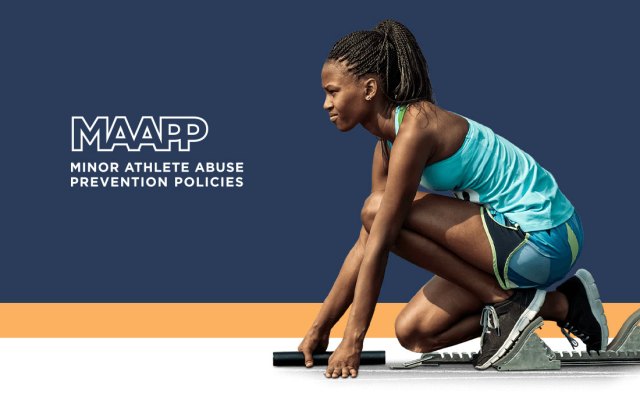
Fortunately, they can reference and take cues from policies the U.S. Center for SafeSport® has developed for millions of athletes and allies in over 50 sports representing the entire U.S. Olympic and Paralympic Movement. These are the Minor Athlete Abuse Prevention Policies (MAAPP). Our RoadMAAPP series—six animations, each less than two minutes—will introduce you to the MAAPP and show you ways to keep young athletes safe.

MAAPP helps you navigate safer sport settings. Here's how:

  • Limits one-on-one adult/minor interactions with an “observable and interruptible” standard that reduces opportunities for inappropriate conduct.
  • Promotes awareness and prevention by requiring certain adults to complete SafeSport® training, so that those who affect athlete welfare can prevent, recognize, and respond to abuse.
  • Increases accountability by setting reasonable, enforceable rules organizations should require of adults who have regular contact with or authority over minor athletes

The MAAPP’s standards apply not only to settings within bounds of play, but also to:

  • Meetings and training sessions
  • Athletic training activities, such as massages and rubdowns
  • Locker rooms and changing areas
  • Electronic communications
  • Transportation
  • Lodging

Learn More About the MAAPP

Our new MAAPP website offers specifics on how these policies work—and how they can work for you. You’ll find:

  • An introduction to the MAAPP and why it matters
  • Tailored guidance for parents, coaches, athletes, and administrators
  • Dozens of searchable resources that break down the MAAPP at varied levels of depth and specificity
  • Free role-specific virtual trainings to help you apply the MAAPP and get questions answered in real time
SafeSport Logo

About The U.S. Center for SafeSport

The U.S. Center for SafeSport is an independent nonprofit organization responsible for responding to and preventing emotional, physical, and sexual misconduct and abuse in the U.S. Olympic and Paralympic Movement. The Center also serves as an educational resource for sports organizations at all levels, from recreational sports organizations to professional leagues.  Learn more >


Data Processing Agreement

Effective December 1, 2021; Updated July 18, 2023

In connection with the Subscription Agreement between you (“Organization”, “Data Controller”) and SportsEngine, Inc. a Delaware corporation, having its registered address at 807 Broadway, Minneapolis, MN 55413 (“SportsEngine”, “Data Processor”). SportsEngine is part of NBC Sports Next, a division of NBCUniversal Media, LLC. The terms of this Data Processing Agreement (“DPA”) shall govern the processing of Organization Data by SportsEngine as a data processor or Service Provider.

Unless otherwise agreed and except where the contrary intention is obvious, if there is any conflict between the terms of this DPA and the Subscription Agreement, this DPA shall take precedence.

1.1 DEFINITIONS

Organization Data” means any Personal Data that relates to the Organization’s Members that SportsEngine processes in relation to SportsEngine’s provision of the SportsEngine Services and that is not SportsEngine Data. For avoidance of doubt, Organization Data does not include SportsEngine Data even if the same data was also collected as Organization Data and any such duplicate data relating to the Organization’s Members that SportsEngine processes in relation to SportsEngine’s provision of the SportsEngine Services remains Organization Data.

“Personal Data” means any information that relates to an individual person and that, alone or in combination with other data, can be used to identify, contact, or precisely locate an individual person, or other information that constitutes “personal data” under applicable Data Protection Legislation.

SCCs” means, in respect of Personal Data processed by SportsEngine or its relevant Affiliates in: (a) the EEA and/or processing EEA Personal Data, the unchanged, EU Commission-approved version of the standard contractual clauses in Commission Decision 2021/914/EU (as set out in https://eur-lex.europa.eu/legal-content/EN/TXT/HTML/?uri=CELEX:32021D0914&from=EN) (“the EU SCCs”); (b) the UK and/or processing NBCUniversal Personal Data to which Privacy Laws of the United Kingdom apply (“UK Personal Data”), the EU SCCs as modified by the International Data Transfer Addendum to the EU SCCs issued by the UK Information Commissioner under s119A(1) of the Data Protection Act 2018 (“UK SCCs”); and (c) Switzerland and/or processing Swiss Personal Data, a version of the EU SCCs that is deemed to be modified as follows: references to “personal data” will be deemed to include references to legal entities (until the revised Federal Act on Data Protection comes into effect) and references to “sensitive data” will be deemed to be references to “sensitive personal data and personality profiles” (“Swiss SCCs”). .

Data Protection Legislation” all laws relating to the processing of personal data, privacy and security, including, without limitation, the California Consumer Privacy Act, the California Privacy Rights Act, the Colorado Privacy Act, the Virginia Consumer Data Protection Act, the UK Data Protection Act 1998, the UK GDPR, the EU General Data Protection Regulation 2016/679, the EU Privacy and Electronic Communications Directive 2002/58/EC, as implemented in each jurisdiction, and all amendments, or all other applicable or replacement international, regional, state, federal or national data protection laws and regulations.

Terms such as “Business”, “data controller”, “data processor”, “personal data”, “personal data breach”, and “Service Provider” shall have the meanings (or reasonable equivalents) ascribed to them in the applicable Data Protection Legislation.

1.2 APPOINTMENT AND INSTRUCTIONS

Organization hereby instructs SportsEngine to process Organization Data in accordance with this DPA and as required to provide the Services and/or Software.


1.3 PROCESSING OVERVIEW

The categories of Organization Data to be processed by SportsEngine, the processing activities to be performed under this Agreement, and the subcontractors and processing locations that have been approved by Organization are set out in Schedule 1 (Processing Overview).

1.4 DATA PROCESSOR OBLIGATIONS

SportsEngine shall:

1.4.1 Only process Organization Data in accordance with Organization’s reasonable, lawful and documented instructions given from time to time, including in the Existing Agreement, this DPA and any applicable Order Forms;

1.4.2 ensure its personnel who may be required by SportsEngine to assist it in meeting its obligations under the Agreement are under a binding obligation to protect the confidentiality of Organization Data;

1.4.3 implement and maintain appropriate technical and Organizational measures to protect Organization Data, including the measures described in Schedule 2 to this DPA, which may be revised by SportsEngine from time to time in its sole discretion, and including, as appropriate: (i) the pseudonymisation and encryption of Client Personal Data; (ii) the ability to ensure the on-going confidentiality, integrity, availability and resilience of processing systems and services; (iii) the ability to restore the availability and access to Organization Data in a timely manner in the event of a physical or technical incident; and (iv) a process for regularly testing, assessing and evaluating the effectiveness of technical and Organizational measures for ensuring the security of the processing;

1.4.4 taking into account the nature of the processing, provide Organization with reasonable assistance and co-operation, insofar as this is possible, to assist the Organization in complying with its obligations under Data Protection Legislation with respect to an Organization Data breach, individual rights requests from Members, and otherwise as required by Data Protection Legislation;

1.4.5 provide Organization with such information as is necessary to demonstrate compliance with this DPA and, where required by applicable Data Protection Legislation, allow Organization to audit SportsEngine’s processing of personal data (the terms of which to be agreed by the parties);

1.4.6 subcontract processing of personal data only pursuant to a written agreement that shall impose the same obligations set out in this DPA or obligations that are substantially similar and shall remain liable for the actions of its Sub-Processors. Organization acknowledges and agrees that SportsEngine may engage the Sub-Processors listed in the Processing Overview / Appendix 1 to the C2P SCC. Organization may reasonably object to SportsEngine using a new Sub-Processor by notifying SportsEngine promptly in writing within ten (10) days after SportsEngine has provided notice of such change by updating the list of Sub-Processors maintained in the Processing Overview / Appendix 1 to the C2P SCC online, setting out the reasons for its objection. In the event Organization objects to a new sub-processor, as permitted in this Condition 1.4.6, SportsEngine will use reasonable efforts to make available to Organization a change in the Services or recommend a commercially reasonable change to Organization’s configuration or use of the Services to avoid processing of Organization Data by the objected-to new Sub-processor;

1.4.7 adopt reasonable measures to ensure legally compliant cross-border transfers of Organization Data pursuant to this Agreement as further specified in clause 1.5; and

1.4.8 notify Organization without undue delay of any personal data breach, including any accidental, unlawful or unauthorised destruction, disclosure, loss, alteration or access in relation to Organization Data processed on behalf of Organization.

1.4.9 upon termination or expiry of the Agreement, at Organization’s choice, promptly delete, return or transfer to Organization’s successor all Organization Data.


1.5 INTERNATIONAL DATA TRANSFERS

If and to the extent SportsEngine’s provision of the SportsEngine Services involves the transfer of personal data from an Organization established in the European Union, the European Economic Area and/or their member states, Switzerland and the United Kingdom to SportsEngine in the United States, the SCC shall be deemed to be incorporated by reference in this Agreement and the provisions of the controller to processor module shall apply. Any onward transfers to sub-processors made by SportsEngine, Inc shall comply with the requirements of the SCC.

If and to the extent SportsEngine’s provision of the SportsEngine Services involves the transfer of personal data from SportsEngine to SportsEngine in the United States, or to a sub-processor established in a third country that does not ensure an adequate level of protection as defined by applicable Data Protection Legislation, SportsEngine shall ensure that such transfer complies with applicable Data Protection Law by executing the SCC with the relevant data recipient, using the provisions of the processor to processor module.

Unless otherwise agreed by the parties, where applicable:

1.5.1 Schedules 1, 2 and 3 of this DPA shall apply and be deemed to be Annexes 1, 2 and 3 of the C2P or P2P SCCs;

1.5.2 The optional Docking clause shall apply;

1.5.3 In Clause 9(a) (use of sub-processors), Option 2 (General Written Authorisation) shall apply, and the time period for informing the data exporter of intended changes to the list of sub-processors shall be 30 days;

1.5.4 The optional wording in Clause 11 (Redress) shall not apply;

1.5.5 The following choice of law, forum and jurisdictions shall apply in the following scenarios:


1.5.5 The following choice of law, forum and jurisdictions shall apply in the following scenarios:

Data Exporter

SCC Clause 17 - Governing Law

SCC Clause 18 - Choice of forum and jurisdiction

Organisation in the EU

Option 2 - the laws of the EU Member State in which the data exporter is established

The courts of the EU Member State in which the data exporter is established

Organisation in UK

Option 1 - the laws of England and Wales

The courts of England and Wales

Organisation in Switzerland

Option 1 - the law of Switzerland

The courts of Switzerland


Nothing in this Agreement shall be construed to prevail over any conflicting clause of the SCCs. Each party acknowledges that it has had the opportunity to review the SCCs. In relation to services provided by SportsEngine for the benefit of an Organization established in Switzerland, the SCCs will be deemed to be modified to include the corresponding Swiss law references and the terms of such modified SCCs will be incorporated by reference into this DPA.

1.6 PARTNER WARRANTIES

Organization warrants that its collection and processing of Organization Data (including the sharing with SportsEngine under this DPA) shall comply with applicable Data Protection Legislation and that its instructions to SportsEngine shall be lawful.


1.7 US State Data Protection Legislation.

Schedule 4 shall apply to SportsEngine’s processing of Personal Data subject to Data Protection Legislation of US States.


SCHEDULE 1


Processing Overview / Annex 1 to the SCC (processors)

A: LIST OF PARTIES:

Details of data exporters (controllers)

The data exporters will be the legal entities identified as “Organization” in the contract or any applicable order forms

Details of data importers (processors)

Name Address Contact person’s name address and contact details Activities relevant to the data transferred under these clauses

Name

Address

Contact person’s name address and contact details

Activities relevant to the data transferred under these clauses

SportsEngine, Inc.

807 Broadway St. NE, Suite 300

Minneapolis, MN 55413


privacy@nbcuni.com


SportsEngine is a provider of technology and management software and services to the data exporter.

SportsEngine UK Limited

City Quays 1

7 Clarendon Road

Belfast

Northern Ireland

BT1 3BG

privacy@nbcuni.com


B. DESCRIPTION OF TRANSFER / PROCESSING OVERVIEW


1. Categories of data subjects whose personal data is transferred

The personal data transferred concern the following categories of data subjects:

Organization’s Members


2. Categories of personal data transferred

The personal data transferred concern the following categories of data:

Members:

(a) Athletes: Name, date of birth, gender, contact information, information about club membership and membership in sports bodies and associations, ability group, attendance history, competition results, emergency contact, IP addresses and other website and device usage information, as well as any additional comments, notes or information about an athlete submitted by any Member.

(b) Parents / legal guardians or any other athlete’s name, date of birth, and contact details, such as email, phone number and address.

(c) Organization’s Administrators, coaches, volunteers, staff, and club/team managers: Membership in sports bodies and associations, background and/or criminal record checks results for club workforce, depending on role and in accordance with applicable legal requirements.


3. Special Categories of Data / Sensitive Personal Data

SportsEngine processes some sensitive personal data, such as financial and credit card data, government identification, race, ethnicity, health data, citizenship, geolocation and gender identity, on behalf of the Organizations.


4. The frequency of the transfer

The data is transferred on a continuous basis.

5. Nature of the Processing

The personal data transferred will be subject to the following basic processing activities (please specify):

In order to provide the SportsEngine Services, SportsEngine will host, maintain and support a system holding Organization Data. SportsEngine will grant Organization’s Members electronic access to this system.

6. Purpose of the data transfer and further processing

The purpose of the transfer and processing is as described in paragraph 5 above (nature of the processing).

7. Period for which the personal data will be retained, or, if that is not possible, the criteria used to determine that period

The data importer will retain the personal data for the duration of its agreement with the data exporter or as otherwise specified in the Subscription Agreement, unless instructed by data exporter to return or delete the data at an earlier or later date.

8. Transfers to sub-processors

The authorised sub-processors, and the nature of the processing performed by each one is set out in Schedule 3 / Annex III to the SCCs. The processing shall be for the duration of the agreement with the Organization unless SportsEngine notifies the Organization of a change in sub-processor pursuant to clause 1.4.6.

C. COMPETENT SUPERVISORY AUTHORITY


This will be the data protection authority that supervises the Organization. In general this will be the data protection authority in the country where the Organization is.


SCHEDULE 2

Annex III to the C2P SCCs - Technical and Organizational Measures

Description of the technical and Organizational security measures implemented by the data importer in accordance with Clauses 4(d) and 5(c) (or document/legislation attached):

This Appendix 2 forms part of the Clauses and must be completed by the parties.


Data importer agrees and warrants that it has implemented and will maintain technical and Organizational measures appropriate to protect personal data against accidental or unlawful destruction or accidental loss, alteration, unauthorized disclosure or access, in particular where the processing involves the transmission of data over a network, and against all other unlawful forms of processing. These measures ensure a level of security appropriate to the risks presented by the processing and the nature, scope, context and purposes of the processing, having regard to the state of the art and the cost of their implementation, including as appropriate: (i) the pseudonymisation and encryption of personal data; (ii) the ability to ensure the ongoing confidentiality, integrity, availability and resilience of processing systems and services; (iii) the ability to restore the availability and access to personal data in a timely manner in the event of a physical or technical incident; and (iv) a process for regularly testing, assessing and evaluating the effectiveness of technical and Organizational measures for ensuring the security of the processing.

The measures data importer has taken include, as appropriate and without limitation:

1. Implementation of and compliance with a written information security program consistent with established industry standards and including administrative, technical, and physical safeguards appropriate to the nature of personal data and designed to protect such information from: unauthorized access, destruction, use, modification, or disclosure; unauthorized access to or use that could result in substantial harm or inconvenience to the data exporter, its customers or employees; and any anticipated threats or hazards to the confidentiality, security, availability or integrity of such information.

2. Adopting and implementing appropriate policies and standards related to security;

3. Assigning responsibility for information security management;

4. Devoting adequate personnel resources to information security;

5. Carrying out verification checks on permanent staff who will have access to personal data;

6. Conducting appropriate background checks and requiring employees, vendors and others with access to the personal data to enter into written confidentiality agreements;

7. Conducting training to make employees and others with access to personal data aware of information security risks and to enhance compliance with data importer’s policies and standards related to data protection;

8. Preventing unauthorized access to the personal data through the use, as appropriate, of physical and logical (passwords) entry controls, secure areas for data processing, procedures for monitoring the use of data processing facilities, built-in system audit trails, use of secure passwords, network intrusion detection

technology, encryption and authentication technology, secure log-on procedures, and virus protection, monitoring compliance with data importer’s policies and standards related to data protection on an ongoing basis. In particular, data importer has implemented and complies with, as appropriate and without limitation:

a. Confidentiality

(1) Physical access control measures to prevent unauthorized access to data processing systems (e.g., access ID cards, card readers, desk officers, alarm systems, motion detectors, burglar alarms, video surveillance and exterior security);

(2) Denial-of-use control measures to prevent unauthorized use of data protection systems (e.g., automatically enforced password complexity and change requirements, firewalls, etc.);

(3) Requirements-driven authorization scheme and access rights, and monitoring and logging of system access to ensure that persons entitled to use a data processing system have access only to the data to which they have a right of access, and that personal data cannot be read, copied, modified or removed without authorization (virtual access controls);

b. Integrity

(1) Data transmission control measures to ensure that personal data cannot be read, copied, modified or removed without authorization during electronic transmission, transport or storage on data media, and transfer and receipt of records. In particular, data importer’s information security program shall be designed (transfer control):

i. To encrypt in storage any data sets in data importer’s possession, including sensitive personal data.

ii. To ensure that any sensitive personal data transmitted electronically (other than by facsimile) to a person outside data importer’s IT system or transmitted over a wireless network is encrypted to protect the security of the transmission.

(2) Data Entry control measures to ensure data importer can check and establish whether and by whom personal data has been input into data processing systems, modified, or removed (input control);

c. Availability and resilience

Availability control includes measures to ensure that personal data are protected against accidental destruction and loss.

d. A process for regularly testing, assessing and evaluating

(1) Organizational control

(2) Privacy by default

(3) Subcontractor supervision measures to ensure that, in the case data importer is permitted to use sub-processors, the data is processed strictly in accordance with the controller's instructions including, as appropriate and without limitation;

i. Measures to ensure that personal data is protected from accidental destruction or loss including, as appropriate and without limitation, data backup, retention and secure destruction policies; secure offsite storage of data sufficient for disaster recovery; uninterrupted power supply, and disaster recovery programs;

ii. Measures to ensure that data collected for different purposes can be processed separately including, as appropriate and without limitation, physical or adequate logical separation of client data.

9. Taking such other steps as may be appropriate under the circumstances.


SCHEDULE 3

Annex III to the C2P SCCs – LIST OF SUB-PROCESSORS

The Sub-Processors SportsEngine engages vary depending on the Software and Services the Organisation receives and the country where they are located. The Organisation has authorised the use of the following sub-processors. 

View the full list of sub-processors 


SCHEDULE 4

Addendum for the Processing the Data of United States Residents

1. SportsEngine shall not, without Organization’s prior written consent, process Organization’s Personal Data for any independent purposes including outside the direct relationship with the parties, any purposes that are unrelated to providing the Services, or for the commercial benefit of SportsEngine or any of SportsEngine’s other clients (to the extent permitted under Data Protection Legislation, detecting data security incidents, exercising and defending claims, and protecting against fraudulent or illegal activity are not considered commercial benefits).

2. SportsEngine shall not sell or share (as such terms are defined in applicable Data Protection Legislation) Organization Personal Data.

3. SportsEngine shall not combine Organizational Personal Data with or match Organization Personal Data to Personal Data from its own or third parties’ interactions with an individual.

4. SportsEngine shall comply with the obligations of CPRA and shall provide at least the same level of privacy protection as required by CPRA.

5. SportsEngine shall inform Organization if it makes a determination that it cannot meet the requirements of this Addendum or Data Protection Legislation.

6. Organization shall have the right to take reasonable and appropriate steps to help ensure that SportsEngine uses Organization Personal Data in a manner consistent with Organization’s obligations under Data Protection Legislation.

7. Organization shall have the right, upon notice, to take reasonable and appropriate steps to stop and remediate the unauthorized use of Organization Personal Data.

8. If Organization directs SportsEngine to cease or limit processing of sensitive information (as defined by Data Protection Legislation) provided by Organization to SportsEngine, then it shall promptly do so, and cause its personnel to do the same.

9. SportsEngine shall regularly review the security measures it has implemented to protect Organization Personal Data so as to ensure their appropriateness with regard to risk to the rights and freedoms of natural persons, which may evolve over time.

10. SportsEngine shall permit Organization to carry out ongoing manual reviews and automated scans for the purpose of monitoring SportsEngine’s compliance with this Addendum.

11. SportsEngine certifies that it understands and will comply with the requirements and restrictions in this Addendum.